
About Us
Mega International is a nongovernmental organization established in 2002 with a mission to empower disadvantaged sections of society through sustainable development programs in Bihar. Established by a team of socially responsible activists, Mega International seeks to alleviate poverty, protect human rights, and provide opportunities to disadvantaged groups through educational and vocational training, health and sanitation services, and women empowerment, children welfare, geriatric care, and livelihood promotion schemes. Under the able guidance of its executive body, Mega International seeks to develop self-sufficient societies by equipping them with relevant knowledge, skills, and resources. Mega International undertakes various projects aimed at fostering dignified lives and promoting equitable development within society through community development, advocacy campaigns, welfare activities, and capacity building.
A History of Service and Community Transformation
The Beginning: A Commitment to Social DevelopmentMega International was founded in 2002 by a collective of socially conscious individuals who all had the same dream of establishing a just, equitable, and empowered society. Realizing that disadvantaged societies have numerous problems such as poverty, limited access to education, unemployment, poor health facilities, and social inequality, Mega International was established to work towards improving the plight of such societies.
Progressing Communities by Way of Resilience and Innovation
Through its various stages of development, Mega International has aimed at addressing a myriad of difficult socio-economic problems that affect disadvantaged communities in Bihar. Among others, some of the major problems experienced include poverty, lack of access to educational resources, unemployment, lack of adequate healthcare infrastructure and many other issues that require innovative responses as well as active community involvement.
Mega International has managed to find solutions to all these problems through various programs including education, vocational training, healthcare awareness, empowerment of women and many other forms of livelihood projects among others, all of which have helped the community address their needs and improve their lives.
Development and Success: Empowering Communities for a Brighter Future
Over the years, Mega International has grown and enhanced its impact via numerous community development programs aimed at educating, providing better health care, skill development, women empowerment, children’s welfare, elderly people’s support, and sustainable livelihood programs. By focusing on assisting disadvantaged and vulnerable groups, the organization has played an important role in making life easier for many people through various interventions.
As a result of its programs, people have found education and developed skills that allow them to find employment, thus improving their well-being and financial situation. Moreover, through its programs, Mega International has empowered women, providing them with an opportunity to become financially self-reliant; it provided education for young people that helps them advance in their career path. Overall, the organization plays an important role in raising awareness of certain issues and promoting various welfare programs.
Looking Ahead: Creating an Inclusive Future

Agricultural Sustainability
A primary focus is the "Building a Better Future for Farmers" initiative, which aims to integrate modern, eco-friendly practices with rural economic systems to ensure food security and sustainable livelihoods for farming families.

Strategic Scaling of Handicrafts
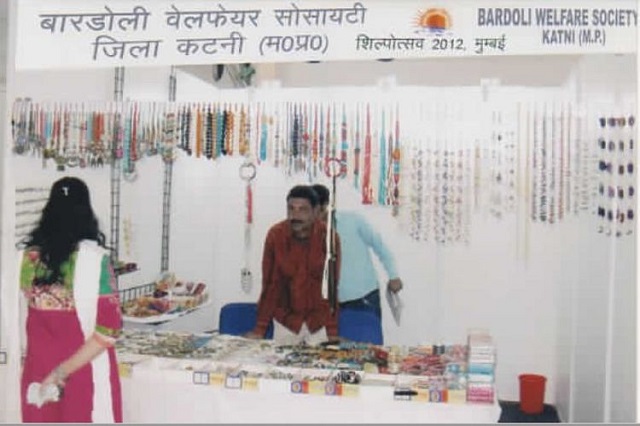
By leveraging its empanelment with the Development Commissioner (Handicrafts), the society intends to broaden the market reach of its rural artisans. This includes establishing stable economic identities for disadvantaged men and women through state-level exhibitions and potentially digital marketplaces.

Youth-Centric Skill Evolution
BWS plans to expand its vocational training portfolio beyond traditional crafts to ensure Katni's youth are technologically fluent. The goal is to equip the younger generation with contemporary professional skills to prevent forced urban migration while still preserving cultural heritage.